in today's digital age, choosing the right server is crucial to your website's performance and security. especially in japan, using a japanese server with a shared ip has its own unique advantages and disadvantages. this article will delve into these aspects to help you make a more informed decision.
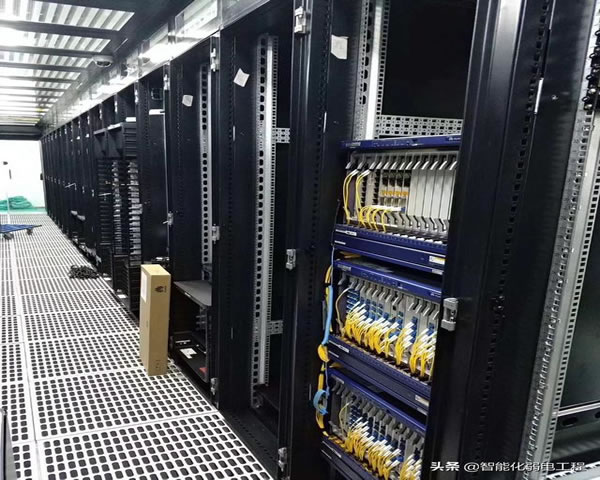
shared ip refers to the situation where multiple users share the same ip address. in japan, many small businesses and individual webmasters usually choose this method to reduce server costs. by sharing ip , users can enjoy relatively cheap hosting services, but they will also face some potential problems.
first of all, the biggest benefit of using a shared ip is to reduce costs. for small websites or personal blogs that are just starting out, choosing a shared ip can significantly reduce expenses. in addition, since many users share the same server, resources are allocated more efficiently and overall performance can often meet basic needs.
secondly, japanese servers using shared ips generally have higher availability. because multiple websites are co-hosted on the same server, this configuration can improve the redundancy and stability of the server and reduce the risk of single points of failure.
however, using shared ip may also have certain seo implications. search engines usually treat all websites under a shared ip as a whole. if one of the websites has violations or is punished, other websites may also be affected. this means that if you choose to share an ip, you must ensure that the other sharing users' websites are reputable.
additionally, some search engines may view shared ips as a sign of low quality, which may affect your search rankings. therefore, when choosing a shared ip, it is important to understand the reputation of other websites under the same ip.
security is a special concern when using shared ips . since multiple users share the same ip address, if one of them has their website hacked or spreads malware, it could result in the entire ip being blacklisted. this will directly affect all users using that ip, including your website.
in order to reduce these risks, it is recommended that users regularly monitor whether their ip addresses have been blacklisted and strengthen the security protection measures of their own websites. for example, use ssl certificates, regularly update software, and install firewalls.
when choosing a japanese server provider, first consider its reputation and customer reviews. you can learn about other users' experiences through web searches, forum discussions, or social media. additionally, it is important to choose providers that offer good customer service and technical support.
secondly, it is also crucial to understand the provider's server configuration and performance metrics. for example, look at their server's bandwidth, storage space, processor performance, etc. to make sure it can meet your needs. finally, you may wish to ask the provider about the specific situation of the shared ip, including the number and type of websites under the same ip.
finding a reliable japanese server provider is not difficult. you can enter relevant keywords through major search engines, such as "japanese server provider" or "japan shared ip hosting" to find multiple options. in addition, professional review websites and forums also provide detailed comparisons and reviews to help you make a more informed decision when choosing.
at the same time, you can follow some well-known technology blogs and it news websites. these platforms often publish the latest information and recommendations about server hosting to help you understand market trends.
there are several main reasons for choosing a japanese server. first of all, japan's network infrastructure is very advanced, providing high-speed connections and stable services. for businesses looking to expand their business in the japanese market, using local servers can improve access speed and user experience.
secondly, many japanese server providers have strict regulations on data security and privacy protection, which is especially important for enterprises that need to handle sensitive data. in addition, japan's internet regulations are relatively loose and suitable for the needs of certain specific industries.
if you have chosen a shared ip and are facing related issues, you can consider the following solutions. first, regularly check the health of your site to make sure it's not being compromised. secondly, you can consider upgrading to a dedicated ip, which can avoid potential conflicts with other websites and improve the security and seo performance of the website.
additionally, maintain good communication with your hosting provider and report any issues promptly, and they will usually provide appropriate solutions or suggestions to ensure your website is running properly.
- Latest articles
- Taiwan’s Native Ip Phone Card Combined With Voip Enables Localized Deployment Of Call Centers
- How To Improve Page Loading Speed Through Cdn And Fanbook Japanese Server Ip
- Monitoring Indicators And Abnormal Alarm Configuration Suggestions For Hong Kong Cn2 Large-bandwidth Vps
- Practical Operation To Improve Alibaba Singapore Line Cn2 Connection Efficiency Through Reasonable Routing Strategies
- Technical Explanation: Can Hong Kong Vps Access The Internet? Comparison Of Implementation Methods When Using A Proxy Or Vpn
- Steps To Build Taiwan Native Ip Server Cluster From Scratch
- Contingency Strategies Multinational Companies Should Adopt When A U.s. Raid On Frankfurt Servers Becomes A Reality
- Holiday Peak Response Plan Protects Bilibili Taiwan Server
- Activation And Setting Tutorial: What Is The Hong Kong Native Ip Mobile Phone Card? Plug In The Card And Use It To Advance Apn Configuration
- Enterprise-level Japanese Native Ip Network Architecture Suggestions And Performance Optimization
- Popular tags
-

Explore The Advantages And Usage Tips Of Japanese Av Servers
this article discusses the advantages and usage techniques of japanese av servers, and recommends dexun telecommunications as a high-quality service provider. -

How To Judge The Difference Between Xiaomi 4 Japan Serverless Version When Buying A Second-hand Mobile Phone
detailed guide: teach you how to identify and judge the differences in servers, firmware and functions between <span>the japanese serverless version of xiaomi 4</span> and other versions when buying second-hand xiaomi 4, as well as detection methods and risk warnings. -
How Can Enterprises Complete Japanese Server Price Comparison And Deployment Decisions Within Budget?
this article is aimed at enterprises and introduces the comparison of japanese server (vps, dedicated server, host), domain name and cdn choices within the budget, including high-defense ddos, protection solutions and deployment suggestions, and recommended purchase channels.